
Norwich Research Park businesses among projects funded by Innovate UK Launchpad
A bacteria-based plant biostimulant for berries developed by a Norfolk business is among the innovative projects to be backed by Innovate UK’s Launchpad programme.
Norwich Research Park-based PfBIO received almost £100,000 for the generation of a highly efficient growth enhancer to support sustainable agriculture – and specifically berry growers.
Six Norfolk firms have already benefited so far, and businesses now have until 19 June to apply in round two of the programme, which aims to develop revolutions in agri-tech and food technology, driving innovation in food production and sustainability.
Grants of between £150,000 and £300,000 are available via the £4.5m fund and this opportunity is open to micro and small businesses that are new to Innovate UK funding support.
Innovate UK is partnering on this Launchpad with Norfolk County Council, Suffolk County Council, Cambridgeshire & Peterborough Combined Authority, and Greater Lincolnshire Local Enterprise Partnership.
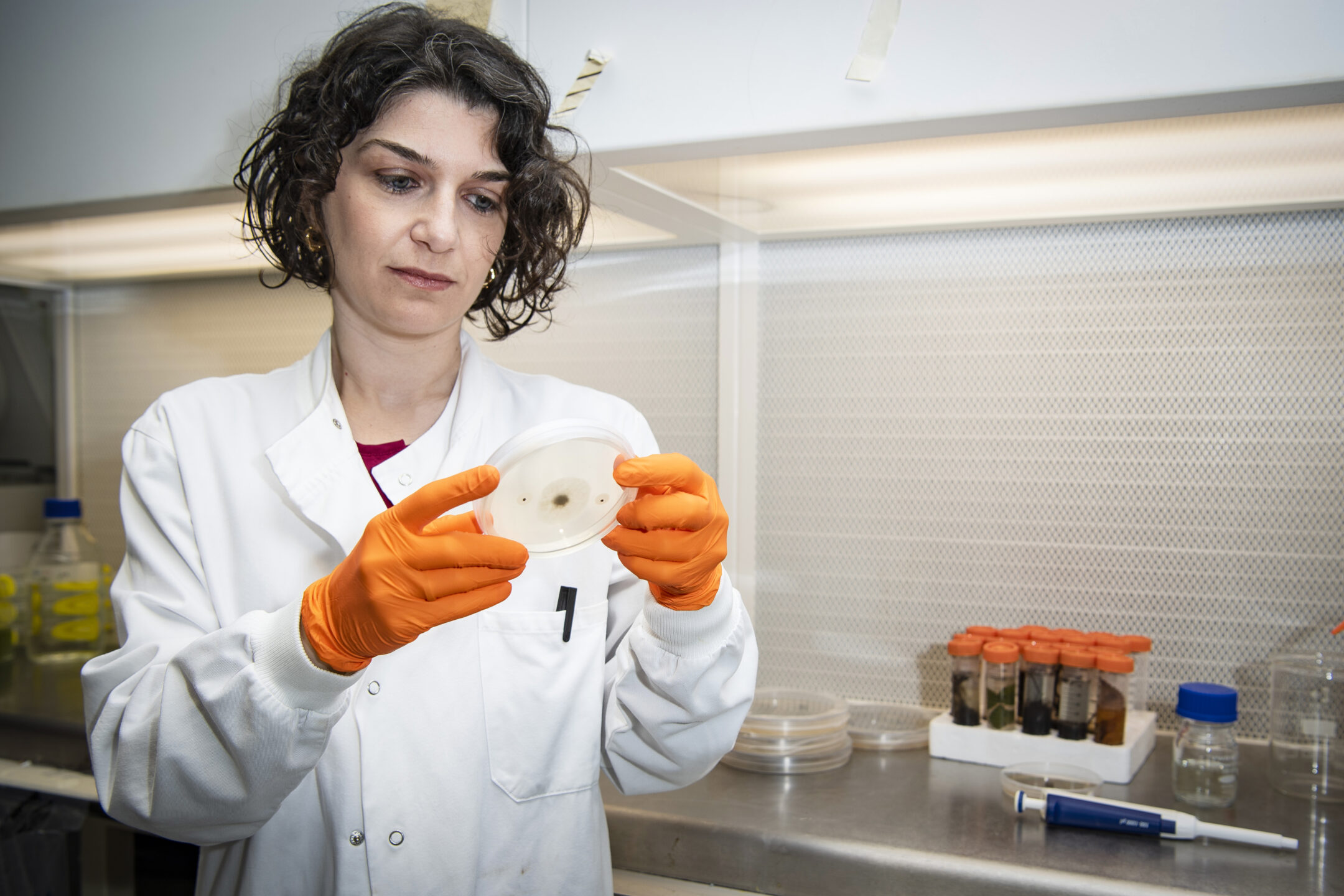
PfBIO produces bacteria-based products that promote plant health, protect crops from major agricultural diseases and offer alternatives to synthetic agrochemicals. The company received an initial grant of £15,000 from Anglia Innovation Partnership LLP, the organisation that runs Norwich Research Park, to get up and running, and a further £50,000 grant from Innovate UK to develop a prototype product to test in field trials.
“The Launchpad grant will enable PfBIO to carry out comprehensive research to deliver a bacteria-based biostimulant prototype product, de-risk the project and accelerate market penetration,” explains CEO, Rosaria Campilongo.
“Crucially, this project will develop critical resources and IPs required to attract large investors in the near future, which is currently difficult because of the high risk associated with early-stage start-ups. It will also cement research relationship between PfBIO, berry growers, agronomists and food producers, for future collaborations.
“We aim to develop a product that is kind to the environment, tailored to the berry sector, and effective in commercial settings. The generated product will improve plant health and consequently will have the potential to boost yield and reduce waste associated with fruits production. This way we can support sustainable agriculture and help growers optimising their production and reducing agricultural footprint.”
Spin-out venture TraitSeq – also based at NRP – secured almost £96,000 from the programme to invest in a transformative project which promises to increase food production and improve the efficiency of crop development.
The groundbreaking company uses artificial intelligence (AI) and biomarkers to enhance the agri-tech sector’s ability to develop climate-resilient crop varieties, breeds, agricultural inputs, and gene edits that address pressing industry and global challenges.
Joshua Colmer, TraitSeq’s CEO, said: “This funding will enable us to demonstrate the potential of our technology to the breeding community and potentially generate valuable intellectual property in the form of biomarkers associated with economically important wheat traits.
“We see this grant-funded project as an opportunity to achieve a clear technical milestone that will increase commercial opportunities for TraitSeq’s predictive phenotyping platform. Additionally, our regular engagement with the UK breeding community during the project will ensure our solutions are tailored to meet industry demands.”
To find out how to apply for a grant, visit Competition overview – New Innovators in agri-tech and food technology, Eastern England – Innovation Funding Service (apply-for-innovation-funding.service.gov.uk)
